

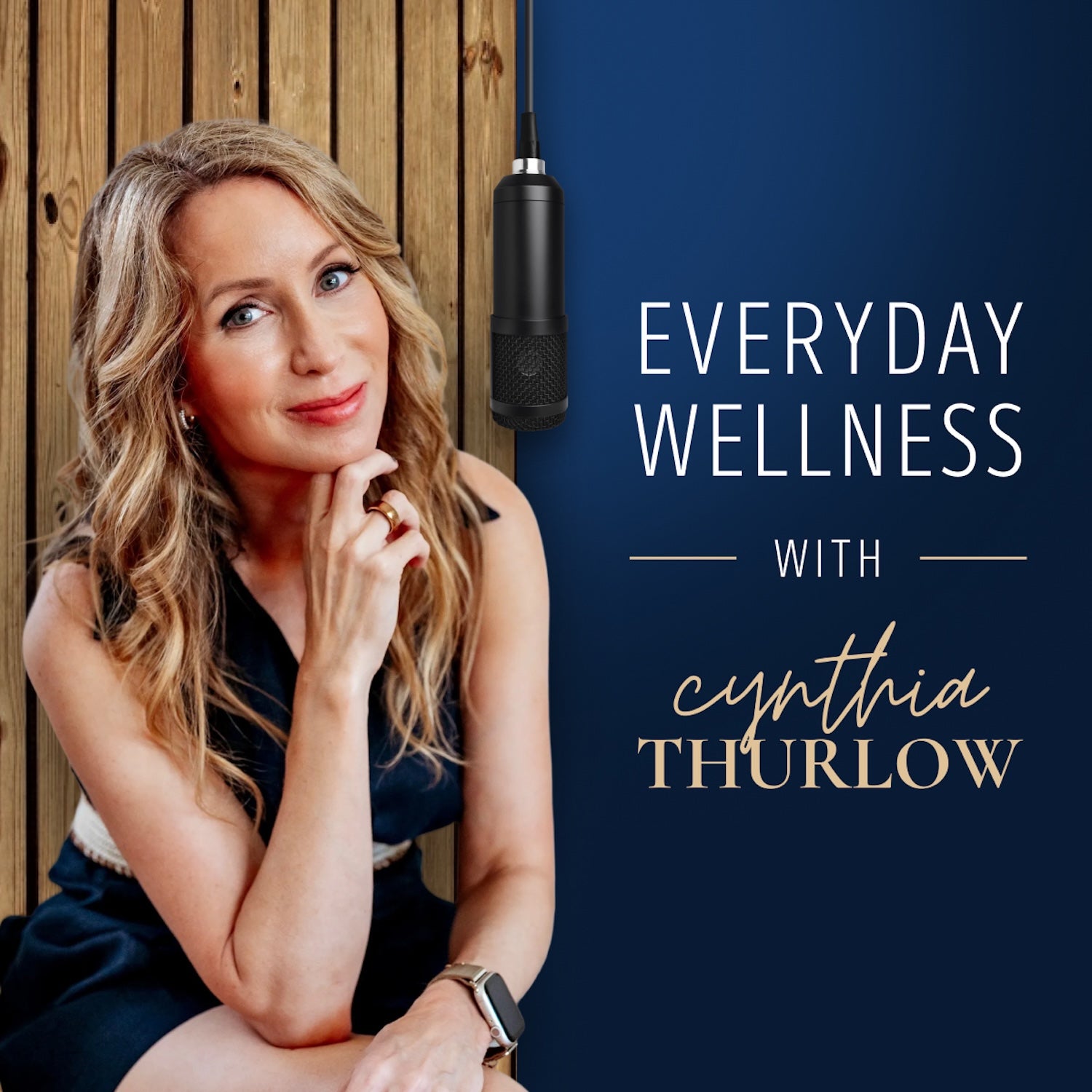
Everyday Wellness: Midlife Hormones, Menopause, and Science for Women 35+
Everyday Wellness™Audio
- Format:
- Podcast
- New episodes:
- Several times a week
- Typical length:
- about 1 hour
- Latest episode:
About this show
Looking for the latest strategies for dealing with menopause, hormones and midlife health issues? You're in the right place!
Cynthia Thurlow is a nurse practitioner, host of the Everyday Wellness podcast, author and international speaker, with over 15 million views for her second TEDx talk (Intermittent Fasting: Transformational Technique).
With over 25 years experience in health and wellness, Cynthia is a globally recognized expert in perimenopause/menopause and intermittent fasting, and has been featured on ABC, FOX5, KTLA, CW, Medium, Entrepreneur, and The Megyn Kelly Show. Her mission is to help empower women to live their most optimal lives in perimenopause and beyond.
Covers: womens health, menopause, perimenopause, hormone health, metabolic health, gut health, brain health, healthy aging, alcohol and health, intermittent fasting
Show details and episodes come from the publisher's public feed at feeds.megaphone.fm. Last updated . Names, artwork and text belong to their publishers.
Recently on this show
Summary of recent episodes, drawn from the publisher's feed.
This podcast, hosted by nurse practitioner Cynthia Thurlow, covers hormones, menopause, and midlife health for women over 35. Recent episodes explore walking as a health measure, continuous glucose monitors and insulin resistance, gut conditions like IBS, and memory and brain health during menopause.
Cosmos
Rated alike
- Techquickie
Often rated the same way. - Constant Wonder
Often rated the same way. - Savage Lovecast
Often rated the same way.
Similar in subject
- Energized with Dr. Mariza
Both cover: womens health, brain health, hormone health - FASTer Way Podcast
Both cover: womens health, hormone health, perimenopause - Mark Hyman, MD
Both cover: healthy aging, brain health, metabolic health
Similar shows
- Fat Loss School for Women Over 50 | Strategies to Lose Weight and Belly Fat After Menopause with Intermittent Fasting, Carb Cycling, Macros, Exercise, & Mindset
- Optimal Protein Podcast with Vanessa Spina
- The Dr. Brighten Show
- Live Like a Girl with Dr. Mindy Pelz
- Wits & Weights | Strength & Fat Loss Over 40
- BETTER! with Dr. Stephanie Estima | Women's Strength, Body Composition and Hormones
- Call Your Doctor
- Hello Hormones with Dr. Carrie Jones





Explore more
Episodes
Ep. 672 Heart Health Differences in Men and Women with Dr. Troy Badger | Heart Health, Menopause & Cardiovascular Risk, Preventive Cardiology
· 1 hr 7 min
Today, I’m honored to connect with Dr. Troy Badger. He is a board-certified cardiologist and interventionalist and the founder of Cardiostrong, a concierge preventive cardiology clinic in Provo, Utah, focused on reducing cardiovascular risk, optimizing metabolic health, and improving strength and cardiorespiratory fitness for executives and athletes. In today’s conversation, we discuss Dr. Badger’s gender- and age-specific approach to heart health, including treatment differences for men and women, and diagnoses such as INOCA, SCAD, vasospastic disease, and Takotsubo. We examine emotions and their influence on heart health, coronary ischemia and cardiomyopathies, labs and diagnostics, how Dr. Badger assesses risk in his patients, and the differences between a CAC and a CCTA. Dr. Badger also shares the labs he finds essential for all patients and discusses the role of VO2 Max, cardiovascular training, and lifestyle—specifically nutrition, the use of GLP-1 drugs, and a multidisciplinary approach to heart health and prevention. This episode is the first in a series of conversations with Dr. Badger. I suggest following him on social media for his excellent content. IN THIS EPISODE, YOU WILL LEARN: - How, even though atherosclerotic heart disease is delayed in women, they can catch up with men in their 50s and 60s - What can trigger SCAD, and how it is usually treated - How emotional stress can contribute to cardiovascular events - How Dr. Badger approaches heart-risk evaluation in perimenopausal and menopausal women - How CAC differs from CCTA - Dr. Badger’s preferred labs for assessing risk factors in middle-aged women - What VO2 max reveals about cardiorespiratory fitness - The core principles of a heart-healthy diet - Dr. Badger shares his perspective on short-term GLP-1 use versus long-term use Bio. Dr. Troy Badger is a triple board-certified cardiologist and founder of Cardiostrong MD, bringing more than 15 years of clinical experience spanning interventional cardiology, preventive cardiology, internal medicine, obesity medicine, and cardiometabolic health. A former collegiate athlete with an extensive background in performance training, Dr. Badger combines evidence-based cardiovascular medicine with a proactive, preventive approach designed to reduce cardiac and chronic disease risk, optimize healthspan, and extend longevity. His philosophy centers on identifying risk before disease develops—empowering patients with advanced diagnostics, personalized treatment strategies, and precision medicine tools to help them take control of their long-term health and performance. Connect with Cynthia Thurlow - Cynthia’swebsite (https://cynthiathurlow.com/). - Check out the Everyday Podcast on Instagram!www.instagram.com/everydaywellnesspodcast (http://www.instagram.com/everydaywellnesspodcast) - Follow onX (https://x.com/_cynthiathurlow?lang=en),Instagram (https://www.instagram.com/cynthia_thurlow_/?hl=en) &LinkedIn (https://www.linkedin.com/in/cynthia-thurlow-50395a9/detail/recent-activity/posts/) - Submit your questions to support@cynthiathurlow.com - Join other like-minded women in a supportive, nurturing community: The Midlife Pause/Cynthia Thurlow (https://www.facebook.com/groups/themidlifepause). - Purchase Cynthia’s book,The Menopause Gut (https://www.penguinrandomhouse.com/books/777129/the-menopause-gut-by-cynthia-thurlow-np/). - Cynthia’sIntermittent Fasting Transformation (https://www.penguinrandomhouse.com/books/678861/intermittent-fasting-transformation-by-cynthia-thurlow-np/) Book - The Midlife Pause Supplement Line (https://themidlifepause.com/) ** For more information about Cynthia's upcoming retreat, visithttps://www.cynthiathurlow.com/ and click the Events tab. Connect with Dr. Troy Badger - Cardiostrong MD (https://www.cardiostrongmd.com/) - OnInstagram (https://www.instagram.com/cardiostrong_md/)
Not rated yetEp. 671 Heart Disease and Women's Health in Midlife | Menopause, Cardiovascular Health, Women’s Health
· 17 min
Heart disease remains the leading cause of death among women, yet many women are unaware of their cardiovascular risks or the ways heart disease can present differently in women than in men. Today, I'm continuing our Metabolic Health Midlife Minute series with an important discussion about women's cardiovascular health. Drawing on my years of experience in cardiology, I explain why women are often diagnosed later, why their symptoms may be overlooked or dismissed, and how decades of underrepresentation in cardiovascular research have contributed to ongoing differences in diagnosis and treatment. I discuss the symptoms women may experience during a heart attack, the importance of cardiac rehabilitation, and why traditional cardiovascular risk calculators may not provide a complete picture of individual risk. I also explore coronary microvascular disease, the cardiovascular changes associated with perimenopause and menopause, and the importance of understanding markers such as Lp(a), ApoB, and high-sensitivity CRP. My goal is to help you recognize potential warning signs, ask informed questions, and feel empowered to advocate for appropriate cardiovascular testing and care. I hope you find today's Midlife Minute informative and empowering, and that you share it with the women in your life. IN THIS EPISODE, YOU WILL LEARN: - Why heart disease remains the leading cause of death among women - Recognizing heart attack symptoms that may present differently in women than in men - Factors contributing to delayed diagnoses and disparities in cardiovascular treatment - Women's historical underrepresentation in cardiovascular clinical trials and its lasting impact on care - Benefits of cardiac rehabilitation following a heart attack - Important cardiovascular risk markers often overlooked by traditional risk calculators, including Lp(a), ApoB, and high-sensitivity CRP - How coronary microvascular disease can cause symptoms even when major coronary arteries appear clear - Understanding why women's cardiac symptoms are sometimes dismissed as stress or anxiety - Cardiovascular changes associated with perimenopause and menopause - Reasons to prioritize heart disease prevention earlier in life - Using coronary artery calcium scoring and additional testing to assess cardiovascular risk - Strategies for advocating for further evaluation when cardiac symptoms persist despite normal initial test results Connect with Cynthia Thurlow - VisitCynthia's website (https://cynthiathurlow.com/). - Check out theEveryday Wellness Podcast on Instagram (https://www.instagram.com/everydaywellnesspodcast). - Follow Cynthia onX (https://x.com/_cynthiathurlow?lang=en),Instagram (https://www.instagram.com/cynthia_thurlow_/?hl=en), andLinkedIn (https://www.linkedin.com/in/cynthia-thurlow-50395a9/detail/recent-activity/posts/). - Submit your questions to support@cynthiathurlow.com. - Join other like-minded women in a supportive, nurturing community:The Midlife Pause/Cynthia Thurlow (https://www.facebook.com/groups/themidlifepause). - Purchase Cynthia's book,The Menopause Gut (https://www.penguinrandomhouse.com/books/777129/the-menopause-gut-by-cynthia-thurlow-np/). - Purchase Cynthia's book,Intermittent Fasting Transformation (https://www.penguinrandomhouse.com/books/678861/intermittent-fasting-transformation-by-cynthia-thurlow-np/). - ExploreThe Midlife Pause Supplement Line (https://themidlifepause.com/). For more information about Cynthia's upcoming retreat, visitCynthia's website (https://www.cynthiathurlow.com/) and click the Events tab. Research References: - Peters SA, Huxley RR, Woodward M. Diabetes as Risk Factor for Incident Coronary Heart Disease in Women Compared With Men: A Systematic Review and Meta-Analysis of 64 Cohorts Including 858,507 Individuals and 28,203 Coronary Events. Diabetologia. 2014. - Huxley RR, Woodward M. Cigarette Smoking as a Risk Factor for Coronary Heart Disease in Women Compared With Men: A…
Not rated yetEp. 670 Menopause After Breast Cancer with Lisa Chism, DNP, APRN | Menopause Symptoms, Breast Cancer, Women's Hormone Health
· 1 hr 3 min
Today, I am delighted to welcome back my friend and colleague, Lisa Chism, NP. Lisa has more than three decades of nursing experience and has spent many years caring for women diagnosed with breast cancer and those at elevated risk. She holds specialty certifications in menopause, sexual health, and breast care and is a fellow of both the American Academy of Nursing and the American Association of Nurse Practitioners. After listeners asked for more conversations about breast cancer survivorship and nonhormonal treatment options, I was the first person I thought of inviting back to the podcast. In our conversation, we discuss why survivorship care should begin at diagnosis, how chemotherapy can trigger temporary or permanent menopause, and why fertility considerations deserve attention early in treatment. We explore breast density, individualized screening, and the growing role of AI in breast cancer risk assessment. Lisa explains how tamoxifen and aromatase inhibitors affect menopausal symptoms, and shares approaches to managing hot flashes, sleep disturbances, joint pain, and genitourinary syndrome of menopause (GSM). We also examine nonhormonal medications, vaginal moisturizers and lubricants, hyaluronic acid, vaginal DHEA, and the evidence surrounding vaginal laser treatments. Lisa offers guidance on protecting bone and cardiovascular health and explains why informed, shared decision-making is essential for women navigating life during and after breast cancer treatment. This is an important conversation for breast cancer survivors, women at elevated risk, and the clinicians who care for them. I hope it helps you feel more informed, supported, and empowered to advocate for your health. IN THIS EPISODE, YOU WILL LEARN: - Why breast cancer survivorship care should begin at diagnosis rather than after treatment ends - The factors that influence whether chemotherapy-induced menopause is temporary or permanent, and why fertility preservation matters - What researchers understand about the increasing incidence of breast cancer among younger women - The significance of breast density and how mammography, MRI, and whole-breast ultrasound contribute to individualized screening - Ways AI may improve breast cancer risk assessment and early detection - How tamoxifen and aromatase inhibitors differ in their effects on menopausal symptoms - The most common and frequently undertreated symptoms affecting breast cancer survivors, including hot flashes, sleep disturbances, mood changes, joint pain, and vaginal discomfort - Nonhormonal treatment options for vasomotor symptoms, including newer neurokinin receptor antagonists and certain antidepressant medications - What women should understand about vaginal estrogen, hyaluronic acid, lubricants, and vaginal DHEA when addressing GSM and sexual health concerns - Lisa's perspective on vaginal laser treatments and the limitations of the available research - Strategies for monitoring bone density, managing aromatase inhibitor-related joint pain, and addressing cardiovascular risk - How Lisa's advanced breast health masterclass helps clinicians navigate screening, diagnosis, treatment, and survivorship Bio: Lisa Chism, DNP, APRN, is an experienced nurse practitioner specializing in breast health, menopause, sexual health, and breast cancer survivorship. She has more than three decades of nursing experience and has dedicated many years to caring for women diagnosed with breast cancer and those at elevated risk. Lisa holds specialty certifications in menopause, sexual health counseling, and breast care. She is a fellow of the American Academy of Nursing and the American Association of Nurse Practitioners and has been recognized for her contributions to menopause care and women's health education. An accomplished author and educator, Lisa has written extensively about advanced nursing practice and women's healthcare, including The Doctor of Nursing Practice: A Guidebook for Role…
Not rated yetBONUS: Muscle Strength in Menopause: Key Tests & Lifestyle Measures with Dr. Vonda Wright | Menopause, Perimenopause, Women's Health
· 1 hr 0 min
I am thrilled to speak today with Dr. Vonda Wright, a practicing, double-boarded orthopedic sports surgeon who has positioned herself at the intersection of longevity, women's health, and performance. Dr. Wright is a strong advocate for women's health and is well known and highly regarded for her frequent media appearances and thought leadership. In our discussion, we cover the importance of menopausal literacy and the impact of musculoskeletal syndrome in menopause, focusing on the critical decade, bone health, risk factors, and how to assess muscle strength. Dr. Wright shares her strength-training formula, and we explore the benefits of Zone 2 sprint training, including the importance of VO2 Max testing, particularly for frail individuals. We also address common musculoskeletal issues and essential lifestyle practices for maintaining orthopedic health. This insightful conversation with Dr. Vonda Wright is one of my top picks on the podcast. I know you will love it! IN THIS EPISODE YOU WILL LEARN: - Understanding menopausal literacy and why it matters - Common symptoms of musculoskeletal syndrome during menopause - The roles estrogen and testosterone play in musculoskeletal health - Why the decade between ages 35 and 45 is a critical time to prioritize your health and recognize hormonal changes - Loss of muscle mass and strength and its connection to frailty and increased fall risk in midlife - Making informed, evidence-based decisions about estrogen - The benefits of prioritizing nutrition, exercise, and quality sleep - Dr. Wright's recommended exercise for improving cardiovascular fitness - Supporting bone health through weightlifting and trampoline rebounding during midlife - Using VO₂ max data to assess and track cardiovascular fitness - Essential nutritional considerations for maintaining health and vitality throughout midlife Bio: Dr. Wright is a practicing double-boarded Orthopedic Sports Surgeon, Author, Speaker, Researcher, and Innovator whose work stands at the intersection of Longevity / Women’s Health / Performance. Widely recognized for her thought leadership, Dr. Wright is a frequent media and conference expert. Her innovative, science-based approach is changing the lives of millions of midlife adults. Dr. Wright practices in Lake Nona, Florida, and founded and leads Precision Longevity. Connect with Cynthia Thurlow - Cynthia’swebsite (https://cynthiathurlow.com/). - Check out the Everyday Podcast on Instagram!www.instagram.com/everydaywellnesspodcast (http://www.instagram.com/everydaywellnesspodcast) - Follow onX (https://x.com/_cynthiathurlow?lang=en),Instagram (https://www.instagram.com/cynthia_thurlow_/?hl=en) &LinkedIn (https://www.linkedin.com/in/cynthia-thurlow-50395a9/detail/recent-activity/posts/) - Submit your questions to support@cynthiathurlow.com - Join other like-minded women in a supportive, nurturing community: The Midlife Pause/Cynthia Thurlow (https://www.facebook.com/groups/themidlifepause). - Purchase Cynthia’s book,The Menopause Gut (https://www.penguinrandomhouse.com/books/777129/the-menopause-gut-by-cynthia-thurlow-np/). - Cynthia’sIntermittent Fasting Transformation (https://www.penguinrandomhouse.com/books/678861/intermittent-fasting-transformation-by-cynthia-thurlow-np/) Book - The Midlife Pause Supplement Line (https://themidlifepause.com/) ** For more information about Cynthia's upcoming retreat, visithttps://www.cynthiathurlow.com/ and click the Events tab. Connect with Dr. Vonda Wright - On her website (https://www.drvondawright.com/) - Facebook (https://www.facebook.com/DrVonda/) - Instagram (https://www.instagram.com/drvondawright/) - X.com (https://x.com/drvondawright) - LinkedIn (https://www.linkedin.com/in/vonda-wright-md-ms-2803374/)
Not rated yetEp. 669 Why Walking Is a Vital Sign with Courtney Conley, DC | Walking Benefits, Women’s Health, Healthy Aging
· 56 min
Today, I am delighted to connect with Courtney Conley, a chiropractor and movement specialist with more than 20 years of experience helping patients improve foot function, mobility, and movement. Based in Lakewood, Colorado, Courtney is passionate about educating people on the importance of foot health, proper footwear, and maintaining strength and independence as we age. She also provides educational resources and training for healthcare and movement professionals and wrote a book exploring the essential role of walking and foot health in overall well-being. In our conversation, we discuss why walking should be considered a vital sign, alongside essential functions like breathing and sleeping, and how walking speed can offer valuable insights into our cardiovascular, neurological, metabolic, and musculoskeletal health. Courtney explains the importance of maintaining lower-body strength and power, particularly as women transition through perimenopause and menopause, and why the feet are often an overlooked foundation of healthy aging. We explore the relationship between foot strength, balance, bone health, and fall prevention, as well as common concerns like bunions, hammertoes, plantar fasciitis, and changes in gait. Courtney shares practical strategies for strengthening the feet, choosing properly fitting shoes, understanding the role of orthotics and toe spacers, and incorporating movement that supports long-term mobility. I know you will enjoy this fascinating, informative discussion with Courtney Conley and leave with a greater appreciation for the role your feet play in maintaining your health, vitality, and independence. IN THIS EPISODE, YOU WILL LEARN: - Why walking deserves recognition as a vital sign for overall health and longevity - The connection between walking speed, physical function, and neurological health - Simple ways to assess your walking cadence and establish a baseline for improvement - Practical exercises to support foot strength, balance, and bone health - How foot weakness and reduced toe strength can contribute to instability and fall risk - Common causes of bunions, hammertoes, and other structural foot changes - The importance of big toe strength and mobility for walking efficiency and balance - Recognizing the relationship between foot mechanics, hip stability, and pelvic floor function - Benefits and limitations of orthotics, toe spacers, and highly cushioned footwear - What to consider when choosing shoes for high arches, flat feet, or foot discomfort - Key features of properly fitting footwear, including toe box width, cushioning, and heel-to-toe drop - Strategies for maintaining healthy feet, mobility, and independence throughout midlife and beyond Bio. Courtney Conley, DC, is an international educator and movement specialist passionate about helping people move with strength, ease, and confidence. Drawing on her clinical background in chiropractic and years of working with athletes and practitioners, she teaches how foot health and functional movement can transform the way we live and perform, whether you're on the field, in the clinic, or simply navigating daily life. Connect with Cynthia Thurlow - VisitCynthia's website (https://cynthiathurlow.com/). - Check out theEveryday Wellness Podcast on Instagram (https://www.instagram.com/everydaywellnesspodcast). - Follow Cynthia onX (https://x.com/_cynthiathurlow?lang=en),Instagram (https://www.instagram.com/cynthia_thurlow_/?hl=en), andLinkedIn (https://www.linkedin.com/in/cynthia-thurlow-50395a9/detail/recent-activity/posts/). - Submit your questions to support@cynthiathurlow.com. - Join other like-minded women in a supportive, nurturing community:The Midlife Pause/Cynthia Thurlow (https://www.facebook.com/groups/themidlifepause). - Purchase Cynthia's book,The Menopause Gut (https://www.penguinrandomhouse.com/books/777129/the-menopause-gut-by-cynthia-thurlow-np/). - Purchase Cynthia's book,Intermittent Fasting…
Not rated yetEp. 668 CGMs, Insulin Resistance, and Metabolic Health | Continuous Glucose Monitor, Insulin Resistance, Metabolic Health
· 20 min
Welcome to this week’s Midlife Minute episode! In this episode, we take a closer look at continuous glucose monitors (CGMs) for individuals without diabetes. Stay tuned to learn what the latest research says, when using a CGM might be worthwhile, and how to interpret your results to understand your own metabolic health—without unnecessary worry. IN THIS EPISODE, YOU WILL LEARN: - What the research reveals about CGMs for people without diabetes - How CGMs can influence people’s everyday health choices - Why glucose responses to the same foods can vary between individuals - Why glucose spikes can cause unnecessary anxiety - How to approach a CGM trial with a clear plan - What to look for when reviewing CGM data - Why the gut microbiome matters for personalized nutrition - How to decide whether a CGM is worth trying Connect with Cynthia Thurlow - Cynthia’swebsite (https://cynthiathurlow.com/). - Check out the Everyday Podcast on Instagram!www.instagram.com/everydaywellnesspodcast (http://www.instagram.com/everydaywellnesspodcast) - Follow onX (https://x.com/_cynthiathurlow?lang=en),Instagram (https://www.instagram.com/cynthia_thurlow_/?hl=en) &LinkedIn (https://www.linkedin.com/in/cynthia-thurlow-50395a9/detail/recent-activity/posts/) - Submit your questions to support@cynthiathurlow.com - Join other like-minded women in a supportive, nurturing community: The Midlife Pause/Cynthia Thurlow (https://www.facebook.com/groups/themidlifepause). - Purchase Cynthia’s book,The Menopause Gut (https://www.penguinrandomhouse.com/books/777129/the-menopause-gut-by-cynthia-thurlow-np/). - Cynthia’sIntermittent Fasting Transformation (https://www.penguinrandomhouse.com/books/678861/intermittent-fasting-transformation-by-cynthia-thurlow-np/) Book - The Midlife Pause Supplement Line (https://themidlifepause.com/) ** For more information about Cynthia's upcoming retreat, visithttps://www.cynthiathurlow.com/ and click the Events tab. References Dower JA, Johansson M, Camp AW, Montori VM, Lipska KJ. Continuous Glucose Monitoring in Type 2 Diabetes and Beyond: A Review. JAMA Intern Med. 2026. Johansson M, Dower JA, Lipska KJ. Continuous Glucose Monitoring for Persons With and Without Diabetes. JAMA Intern Med. 2026. Liao X, Li Y, Tang S, et al. Continuous glucose monitoring in non-diabetic populations: a systematic review with meta-analysis. Eur J Med Res. 2026. Agarwal S, Varghese RT, Savian R, Low Wang CC, Galindo RJ. Moving Beyond Glycated Hemoglobin to Glucose Patterns. Endocr Pract. 2025. Dorcely B, Sifonte E, Popp C, et al. Continuous glucose monitoring and 1-h plasma glucose identify glycemic variability and dysglycemia in high-risk individuals with HbA1c < 5.7%. Endocrine. 2022. Spartano NL, Sultana N, Lin H, et al. Defining Continuous Glucose Monitor Time in Range in a Large, Community-Based Cohort Without Diabetes. JCEM. 2025. Knorr S, Knudsen TS, Kirkegaard K, et al. Glucose Excursions Throughout the Reproductive Life Stages in Women With Diabetes. JCEM. 2026. Berry SE, Valdes AM, Drew DA, et al. Human postprandial responses to food and potential for precision nutrition. Nat Med. 2020. Merino J. Precision nutrition in diabetes: when population-based dietary advice gets personal. Diabetologia. 2022. Wu Y, Ehlert B, Metwally AA, et al. Individual variations in glycemic responses to carbohydrates and underlying metabolic physiology. Nat Med. 2025. Rein M, Ben-Yacov O, Godneva A, et al. Effects of personalized diets by prediction of glycemic responses on glycemic control in newly diagnosed T2DM. BMC Med. 2022. Bermingham KM, Linenberg I, Polidori L, et al. Effects of a personalized nutrition program on cardiometabolic health: a randomized controlled trial. Nat Med. 2024. Karvela M, Golden CT, Bell N, et al. Assessment of the impact of a personalized nutrition intervention in impaired glucose regulation over 26 weeks (ASPIRE-DNA). Sci Rep. 2024. Duc TQ, Di Khanh N, Khoa DD, et al. Effects of personalized…
Not rated yetEp. 667 IBS and Inflammatory Bowel Disease in Women with Chloe Melas | Women's Health, IBS, Menopause
· 1 hr 4 min
Today, I’m delighted to connect with Chloe Melas, an entertainment correspondent at NBC News, former CNN reporter, and co-author of The Girl's Guide to Guts. Chloe is also the co-founder of the gut health brand Bio.me and has spent more than 15 years navigating inflammatory bowel disease. In our conversation, Chloe shares her deeply personal journey with ulcerative colitis, from initially dismissing blood in her stool to living with years of debilitating digestive symptoms. We discuss why so many women feel embarrassed to talk about bowel habits, the differences between irritable bowel syndrome (IBS) and inflammatory bowel disease (IBD), and why persistent symptoms should never be dismissed as simply part of being a woman. We explore the importance of colorectal cancer screening, practical strategies for tolerating colonoscopy preparation, and the connection between stress, the vagus nerve, and digestive health. Chloe also shares how lifestyle changes, mindfulness, nutrition, and fiber have influenced her gut health, why hormonal fluctuations can complicate digestive symptoms, and how she navigated infertility, IVF, and pregnancy while living with IBD. We also discuss the importance of individualized fiber intake, the role of the gut microbiome, strategies for managing digestive symptoms while traveling, and why women must become stronger advocates for their health. I know you will appreciate Chloe’s honesty, humor, and determination to break the silence surrounding digestive health in today's empowering conversation. IN THIS EPISODE, YOU WILL LEARN: - Why women often normalize bloating, constipation, diarrhea, and other persistent digestive symptoms - How Chloe’s initial diagnosis of ulcerative proctitis progressed to ulcerative colitis - Why understanding the differences between IBS and IBD is essential - The importance of investigating blood in the stool, changes in bowel habits, and other gastrointestinal warning signs - Chloe’s practical suggestions for making colonoscopy preparation more manageable - How chronic stress and the gut-brain connection can influence digestion and bowel function - Why hormonal fluctuations during menstruation, perimenopause, and menopause may affect digestive symptoms - How Chloe navigated infertility, IVF, pregnancy, and IBD treatment decisions - The role of fiber, the gut microbiome, and individualized nutrition in supporting digestive health - Why increasing fiber gradually may help women who experience bloating or discomfort - Practical strategies for managing digestive symptoms when dining out or traveling - Why self-advocacy and finding the right healthcare providers are essential for women living with chronic digestive conditions Bio: Chloe Melas is an entertainment correspondent at NBC News and a former CNN reporter who has covered numerous high-profile stories throughout her journalism career. She is also a New York Times bestselling author, having published her late grandfather’s World War II memoir, Luck of the Draw. After living with ulcerative colitis for more than 15 years, Chloe became passionate about raising awareness of digestive disorders and breaking the stigma surrounding bowel health. She co-authored The Girl's Guide to Guts with Judy Batalion, combining personal experiences, humor, and insights from medical experts to help readers better understand digestive conditions and advocate for their health. Chloe is also a co-founder of the gut health brand Bio.me. Through her writing and advocacy, she hopes to empower women to speak openly about digestive symptoms, seek appropriate medical care, and recognize that living with chronic illness does not mean giving up a fulfilling life. Connect with Cynthia Thurlow - Cynthia’swebsite (https://cynthiathurlow.com/). - Check out the Everyday Podcast on Instagram!www.instagram.com/everydaywellnesspodcast (http://www.instagram.com/everydaywellnesspodcast) - Follow onX…
Not rated yetBONUS: Impact of Alcohol and Our Health with Brooke Scheller, DCN, CNS | Women's Health, Alcohol and Health, Alcohol Use
· 1 hr 0 min
Today, I am honored to speak with Brooke Scheller, DCN. She is a clinical nutrition doctor, a nationally recognized health expert, and the founder of Functional Sobriety, a nutrition-based program for reducing alcohol use. She also wrote How to Eat to Change How You Drink. In our conversation today, we discuss the stigmatization of alcohol use and explore the nuances of curiosity and sobriety. We dispel common misconceptions, examine the research on alcohol consumption, tackle the definition of moderation, scrutinize the influence of industry ties, and unravel the issues linked to excessive alcohol consumption. Brooke also explains how poor absorption affects the gut microbiome and can cause a leaky gut, offering practical nutritional strategies to address those concerns. We also discuss fertility, blood sugar, and the challenges posed by initiatives like Dry January and sober challenges. Stay tuned for today’s comprehensive exploration of the relationship between nutrition and alcohol use. IN THIS EPISODE YOU WILL LEARN: - The changing stigma surrounding alcohol use - Alcohol’s effects on the brain and body - The impact of alcohol on gut microbiome health, intestinal permeability, and nutrient absorption - Brooke shares her personal experience with alcohol. - Why alcohol consumption in middle-aged women may increase inflammation and oxidative stress - The relationship between alcohol consumption and blood sugar regulation - Connections between alcohol use and male infertility - Practical suggestions for navigating Dry January - The effects of alcohol on mental health - Overcoming alcohol addiction through self-awareness and wellness Bio: Brooke Scheller, DCN, CNS Brooke Scheller is a Doctor of Clinical Nutrition, the founder of Functional Sobriety, and the author of How to Eat to Change How You Drink. After finding freedom from alcohol in 2021, Brooke took her experience in sobriety and applied her expertise in nutrition and functional medicine to help others change their relationship with alcohol. Her approach results in improved brain health, mood, energy, focus, gut health, and hormone balance. Her launch of Functional Sobriety led to the development of her online community, the Functional Sobriety Network, and several online programs with members across the globe. Functional Sobriety offers the first-ever custom supplement program for the sober and sober-curious. As a motivational speaker, Brooke helps to spread the word about functional nutrition, alcohol-free wellness, and the power of sobriety. She currently resides in NYC. Follow Brooke on Instagram @drbrookescheller. Learn more atwww.brookescheller.com (http://www.brookescheller.com) orwww.functionalsobriety.com (http://www.functionalsobriety.com) Connect with Cynthia Thurlow - Cynthia’swebsite (https://cynthiathurlow.com/). - Check out the Everyday Podcast on Instagram!www.instagram.com/everydaywellnesspodcast (http://www.instagram.com/everydaywellnesspodcast) - Follow onX (https://x.com/_cynthiathurlow?lang=en),Instagram (https://www.instagram.com/cynthia_thurlow_/?hl=en) &LinkedIn (https://www.linkedin.com/in/cynthia-thurlow-50395a9/detail/recent-activity/posts/) - Submit your questions to support@cynthiathurlow.com - Join other like-minded women in a supportive, nurturing community: The Midlife Pause/Cynthia Thurlow (https://www.facebook.com/groups/themidlifepause). - Purchase Cynthia’s book,The Menopause Gut (https://www.penguinrandomhouse.com/books/777129/the-menopause-gut-by-cynthia-thurlow-np/). - Cynthia’sIntermittent Fasting Transformation (https://www.penguinrandomhouse.com/books/678861/intermittent-fasting-transformation-by-cynthia-thurlow-np/) Book - The Midlife Pause Supplement Line (https://themidlifepause.com/) ** For more information about Cynthia's upcoming retreat, visithttps://www.cynthiathurlow.com/ and click the Events tab. Connect with Brooke Scheller, DCN, CNS - On herwebsite…
Not rated yetEp. 666 Memory Loss and Brain Health in Menopause with Dr. Majid Fotuhi | Brain Health, Memory Loss, Cognitive Decline
· 59 min
I’m delighted to connect with academic physician-scientist Dr. Majid Fotuhi today. Dr. Fotuhi is a professor of neuroscience at Johns Hopkins Mind Brain Institute, an adjunct professor of psychological and brain sciences at GW, and the medical director of NeuroGrow Brain Fitness Center. He is a Harvard- and Hopkins-trained physician and researcher and is making great strides in changing how we think about brain health. In our conversation, we explore purpose in life as a factor in brain resilience, how our belief systems and function can help lower cortisol, and why middle-aged people, especially women going through perimenopause and menopause, forget things. We discuss the impact of hormone replacement therapy, common types of cognitive impairment, the dynamic polygon hypothesis, the influence of proper labeling in medicine, and the 2024 Lancet Commission study that demonstrated 45% of dementia is preventable, looking at why the hippocampus truly matters for learning and memory, how stress is cumulative over time, how high A scores can create epigenetic changes, and how the liver and brain are connected, especially for metabolic health. We also explore the importance of parasympathetic tone, anti-inflammatory foods, and brain-supportive supplements, and Dr. Fotuhi shares his personal opinion on GLP-1 drugs. Stay tuned for today’s fascinating conversation with Dr. Majid Fotuhi, one of the USA’s leading neuroscientists. IN THIS EPISODE, YOU WILL LEARN: - How having a sense of purpose or feeling passionate about something can reduce stress and lower cortisol - Factors that may contribute to memory-related issues in midlife women - How the 2002 Women’s Health Initiative changed the conversation around HRT - How Dr. Fotuhi evaluates patients for cognitive impairment - What motivated Dr. Fotuhi to develop his Brain Fitness program? - Modifiable risk factors that can contribute to cognitive decline - Why the hippocampus is so critically important for learning and memory - How years of high stress can contribute to hippocampus shrinkage - How liver health is connected to brain health - Dr. Fotuhi shares his thoughts about GLP-1s Bio: Dr. Majid Fotuhi earned his PhD in Neuroscience from Johns Hopkins University in 1992 and his Medical Degree from Harvard Medical School in 1997. He currently serves as an adjunct professor at the Mind/Brain Institute at Johns Hopkins University and teaches at George Washington University and Harvard Medical School. With 37 years of experience in teaching, clinical practice, and neuroscience research, Dr. Fotuhi has pioneered a multidisciplinary approach to enhancing brain vitality and cognitive performance at any age. His groundbreaking “Brain Fitness Program” combines a comprehensive baseline “Brain Portfolio” assessment with 12 bi-weekly brain training sessions. This program targets lifestyle optimization and cognitive stimulation to improve memory, focus, and overall brain health. Dr. Fotuhi’s program has delivered measurable success for patients dealing with memory loss due to aging, concussions, and ADHD, as documented in several peer-reviewed journals. He has also authored three books, including the highly acclaimed Boost Your Brain: The New Art and Science Behind Enhanced Brain Performance. Recognized as a leading expert in memory and successful aging, Dr. Fotuhi has delivered lectures at academic institutions and major organizations in over 20 countries, including a TEDx presentation in the Philippines. Passionate about sharing the latest discoveries in brain rehabilitation and neuroplasticity, he has been featured in interviews with more than 50 prominent media outlets in the United States and around the globe. Connect with Cynthia Thurlow - Cynthia’swebsite (https://cynthiathurlow.com/). - Check out the Everyday Podcast on Instagram!www.instagram.com/everydaywellnesspodcast (http://www.instagram.com/everydaywellnesspodcast) - Follow onX…
Not rated yetEp. 665 Metabolic Health in Perimenopause and Menopause | Menopause, Perimenopause, Metabolic Health
· 29 min
Welcome to this week's Midlife Minute episode! Have you ever been told your fasting glucose and A1c are normal, yet you still feel that something is off with your metabolic health? Today, we begin a new series exploring metabolic health during perimenopause and menopause. We take a closer look at the metabolic changes that can occur as estrogen declines, why traditional screening may miss early signs of insulin resistance, and which additional lab tests may offer a more complete picture of your health. Drawing on research and clinical experience, I explain how hormonal changes can affect insulin sensitivity, body composition, and cardiovascular risk. We also explore why it's important to look beyond the number on the scale, understand the differences between standard and advanced metabolic testing, and advocate for more comprehensive conversations with your healthcare practitioner. Stay tuned to learn which metabolic markers deserve your attention and how a proactive approach to testing can help you better understand your health during midlife. IN THIS EPISODE, YOU WILL LEARN: - Why normal fasting glucose and A1c levels may not reveal early insulin resistance - How declining estrogen affects insulin sensitivity, body composition, and cardiovascular health - Why visceral fat and changes in muscle mass matter, even when your weight stays the same - Which foundational metabolic markers to discuss with your healthcare practitioner, including ApoB, fasting glucose, A1c, blood pressure, and waist circumference - How fasting insulin, HOMA-IR, and the triglyceride-glucose (TyG) index can provide additional insight into insulin resistance - Why a two-hour oral glucose tolerance test may identify changes missed by fasting measurements - What NMR lipoprotein profiling and C-peptide testing can reveal, and why they are considered additional tools rather than first-line screening - How to approach metabolic testing in a practical, step-by-step way - Why understanding your metabolic health during midlife requires looking beyond standard laboratory results Connect with Cynthia Thurlow - Cynthia's website:https://cynthiathurlow.com/ - Everyday Wellness Podcast on Instagram:https://www.instagram.com/everydaywellnesspodcast/ - Follow Cynthia on Instagram:https://www.instagram.com/cynthia_thurlow_/ - Submit your questions: support@cynthiathurlow.com - Join The Midlife Pause community:https://www.facebook.com/groups/themidlifepause - Cynthia's book, The Menopause Gut:https://www.penguinrandomhouse.com/books/777129/the-menopause-gut-by-cynthia-thurlow-np/ - Intermittent Fasting Transformation:https://www.penguinrandomhouse.com/books/678861/intermittent-fasting-transformation-by-cynthia-thurlow-np/ - The Midlife Pause Supplement Line:https://themidlifepause.com/ ** For more information about Cynthia's upcoming retreat, visit https://www.cynthiathurlow.com/ and click the Events tab. References: - El Khoudary SR, Aggarwal B, Beckie TM, et al. Menopause Transition and Cardiovascular Disease Risk: Implications for Timing of Early Prevention. AHA Scientific Statement. Circulation. 2020. - Nappi RE, Chedraui P, Lambrinoudaki I, Simoncini T. Menopause: A Cardiometabolic Transition. Lancet Diabetes Endocrinol. 2022. - D'Costa Z, Spertus E, Hingorany S, et al. Cardiovascular Risk Associated with Menopause and Menopause Hormone Therapy. Curr Atheroscler Rep. 2025. - Cybulska AM, Schneider-Matyka D, Wieder-Huszla S, et al. Diagnostic Markers of Insulin Resistance to Discriminate Between Prediabetes and Diabetes in Menopausal Women. Eur Rev Med Pharmacol Sci. 2023. - Song Y, Manson JE, Tinker L, et al. Insulin Sensitivity and Insulin Secretion by HOMA and Risk of Diabetes in a Multiethnic Cohort of Women: WHI. Diabetes Care. 2007. - Tsai SF, Yang CT, Liu WJ, Lee CL. Development and Validation of an Insulin Resistance Model for a Population Without Diabetes Mellitus. EClinicalMedicine. 2023. - Doi SA, Ward GM. Examination of…
Not rated yetEp. 664 POTS, MCAS, and Gut Dysmotility with Dr. Zachary Spiritos | Perimenopause, Menopause, Gut Health
· 53 min
Today, I’m delighted to connect with Dr. Zach Spiritos. A double board-certified gastroenterologist in internal medicine with a fellowship in neurogastroenterology, he founded Ever Better Medicine, a practice built around treating complex, chronic, and often underrecognized conditions at the intersection of the gut and the nervous system. In today’s conversation, Dr. Spiritos and I speak at length about how patients get dismissed by the medical system. We explore irritable bowel syndrome as immune dysregulation and common symptoms that he sees with this diagnosis. We discuss hypermobility and the 13 subtypes of Ehlers-Danlos syndrome, with hypermobility closely linked to inflammation, MCAS, and immune dysregulation. We cover several commonly missed GI complications in hypermobile patients, including how POTS and MCAS often overlap with GI dysmotility, MALS, and how nutrition and stress influence symptoms. Dr. Spiritos also shares his views on constipation and the importance of staying curious. Stay tuned for today’s fascinating conversation with Dr. Zach Spiritos about complex medical conditions and how they intersect with the gut. IN THIS EPISODE, YOU WILL LEARN: - How Dr. Spiritos recognizes when symptoms may reflect underlying physiology rather than being purely psychological - Common symptoms that point toward dysautonomia, POTS, or MCAS in women - How connective tissue laxity and hypermobility can contribute to gut dysfunction - GI complications that may be missed when patients do not fit neatly into an IBS diagnosis - How POTS fits within the broader picture of dysautonomia, hypermobility, and MCAS - Meal-related patterns that may point to abnormal gastric motility associated with dysautonomia - The value of using a food and symptom diary when appropriate, and treating elimination diets as trials rather than permanent restriction - How fixating on bowel symptoms can create cycles of anxiety and GI distress - How Dr. Spiritos approaches constipation in patients - Why clinicians should remain open-minded when patients present with multiple medication sensitivities, allergies, and complex symptoms Bio: Dr. Zachary Spiritos, MD, MPH, is a neurogastroenterologist who specializes in treating patients with complex and chronic conditions, including disorders of the brain-gut interaction (DBGI), postural orthostatic tachycardia syndrome (POTS), mast cell activation syndrome (MCAS), Ehlers-Danlos syndrome (EDS), and gastrointestinal dysmotility. He earned his medical degree and Master of Public Health (MPH) from the University of North Carolina at Chapel Hill, where he developed a passion for addressing the systemic challenges patients with underrecognized illnesses face. He completed his Internal Medicine residency at Emory University and his Gastroenterology fellowship at Duke University, where he focused on neurogastroenterology and disorders of gut-brain interaction. Dr. Spiritos is particularly dedicated to supporting patients who have been dismissed, misdiagnosed, or lost in the medical system. He takes a whole-person approach to care, combining the best of conventional medicine with targeted interventions to regulate the nervous system, improve sleep and movement patterns, address nutritional imbalances, and manage stress physiology. He works primarily with patients whose symptoms span multiple systems and don’t fit neatly into one diagnosis—individuals who require time, nuance, and interdisciplinary collaboration. Dr. Spiritos partners closely with his patients to build individualized, sustainable care plans that address both symptoms and underlying causes—helping them reclaim their health and quality of life. ** For more information about Cynthia's upcoming retreat, visithttps://www.cynthiathurlow.com/ and click the Events tab. Connect with Cynthia Thurlow - Cynthia’swebsite (https://cynthiathurlow.com/). - Check out the Everyday Podcast on Instagram!www.instagram.com/everydaywellnesspodcast…
Not rated yetBONUS: Mental Clarity in Perimenopause and Menopause with Katie Emerson, PhD(c), RD, CISSN | Perimenopause, Menopause, Mental Clarity
· 1 hr 4 min
This episode is another in a series of interviews with highly vetted companies that I consider tremendously beneficial for my Everyday Wellness community. Today, I’m honored to welcome Katie Emerson, Senior Manager of Scientific Affairs at Kyowa Hakko USA. Katie is a registered dietitian and certified sports nutritionist, and she completed her doctoral work in nutritional science. In today’s conversation, we discuss women’s mental clarity through midlife, including focus, memory, attention, and mental energy during perimenopause and menopause. We explore how everyday distractions and mental fatigue differ from true cognitive concerns, and Katie explains how citicoline supports brain cell membranes and neurotransmitter production, its key physiologic benefits, and how it works, especially concerning estrogen and phosphatidylcholine synthesis. We also discuss caffeine, citicoline, and creatine, looking at citicoline’s peak efficacy and half-life, key benefits for athletes, students, and the elderly, what glutathione is, and how Setria can support healthy aging through detoxification. We also explain how to choose high-quality glutathione products, how branded ingredients differ from generic ingredients, and why reading supplement labels actually matters. Stay tuned for an invaluable conversation you will likely revisit more than once. IN THIS EPISODE, YOU WILL LEARN: - How estrogen fluctuations and declining estrogen levels can affect women’s mental clarity, focus, memory, and attention - How sleep disruption, stress, hot flashes, and mood changes can influence women’s cognitive performance in midlife - How to distinguish everyday distractions and mental fatigue from cognitive concerns - When memory, attention, language, and orientation changes need to be evaluated by a healthcare practitioner - How citicoline supports brain cell structure and communication - How to use citicoline for short-term focus and longer-term cognitive support - How glutathione helps protect cells and support the body’s natural detoxification pathways - How to evaluate the quality of supplements, ingredients, and brands Bio: Katie Emerson, PhD(c), RD, CISSN Katie Emerson's role sits deliberately at a crossing point that didn't used to exist in the supplement industry: performance nutrition used to mean muscle and endurance almost exclusively, and now includes focus, attention, and mental energy as an equally serious category. She leads the scientific communication behind Kyowa Hakko's branded ingredients, primarily Cognizin citicoline, translating the same underlying clinical research for three distinct audiences: brand teams deciding what to formulate, clinicians evaluating whether the evidence holds up, and consumers trying to figure out what a supplement label means. That translation work, moving between technical, clinical, and consumer registers without losing accuracy in any direction, is the throughline of her role. Connect with Cynthia Thurlow - Cynthia’swebsite (https://cynthiathurlow.com/). - Check out the Everyday Podcast on Instagram!www.instagram.com/everydaywellnesspodcast (http://www.instagram.com/everydaywellnesspodcast) - Follow onX (https://x.com/_cynthiathurlow?lang=en),Instagram (https://www.instagram.com/cynthia_thurlow_/?hl=en) &LinkedIn (https://www.linkedin.com/in/cynthia-thurlow-50395a9/detail/recent-activity/posts/) - Submit your questions to support@cynthiathurlow.com - Join other like-minded women in a supportive, nurturing community: The Midlife Pause/Cynthia Thurlow (https://www.facebook.com/groups/themidlifepause). - Purchase Cynthia’s book,The Menopause Gut (https://www.penguinrandomhouse.com/books/777129/the-menopause-gut-by-cynthia-thurlow-np/). - Cynthia’sIntermittent Fasting Transformation (https://www.penguinrandomhouse.com/books/678861/intermittent-fasting-transformation-by-cynthia-thurlow-np/) Book - The Midlife Pause Supplement Line (https://themidlifepause.com/) ** For more information…
Not rated yetEp. 662 Testosterone Decline and Healthy Longevity with Dr. Florence Comite | Testosterone, Healthy Longevity, Hormone Health
· 1 hr 5 min
Today, I’m delighted to welcome Dr. Florence Comite, a clinician, scientist, endocrinologist, and global authority on healthy longevity. She founded the Comite Center for Precision Medicine and Healthy Longevity, with locations in New York, Palo Alto, and Miami Beach, and spent 25 years as a graduate and faculty member at Yale School of Medicine. She is also the author of Invincible, one of my must-read books for 2026. In our conversation, we discuss why medicine focuses on urgent care, the missing provider relationship, and the hallmarks of aging. We explore how our biological function peaks between 27 and 30, why testosterone is the first hormone to decline in both men and women, bio-individuality, testosterone in women, optimal ranges, and heart disease risk. We explain why midlife is one of our biggest metabolic shifts, how to track it, and why heart disease diagnostics are important. We also cover sarcopenia, GLP-1s for longevity, and the relevance of bioimpedance readings versus BMI. Stay tuned for today’s fascinating conversation. It’s one of my favorite conversations of the year, and I know you’ll want to listen more than once. IN THIS EPISODE, YOU WILL LEARN: - Why modern medicine focuses on urgent and emergency care - How the missing provider relationship influences patient care - How genetically similar people can have different health risks, body composition, and responses to medications - What testosterone does for memory, cognition, executive function, bone, muscle, and the heart, and what women need to understand about testosterone ranges - Changes in metabolic health women should be paying attention to in midlife - Dr. Comite compares CAC, CCTA, Cleerly, and HeartFlow, and explains how these diagnostics contribute to heart evaluation - What women need to consider when assessing heart disease risk - Why Dr. Comite suggests starting with small lifestyle changes initially - How to maintain muscle mass, particularly when using GLP-1s - Why BMI does not provide an adequate reflection of body composition Bio: Florence Comite MD is a Yale- and National Institutes of Health-trained physician-scientist, a pioneering force in precision medicine, and the world’s leading expert in longevity and endocrinology, who is renowned for her expertise in leveraging proprietary clinical and wearable data collected at her private clinical and virtual practice to detect, predict, and reverse biological aging, disorders of aging, and optimize healthspan and vitality for life. A graduate of Yale School of Medicine, where she was a faculty member for twenty-five years with a triple appointment in Endocrinology (Internal Medicine and Pediatrics) and Reproductive Endocrinology (Gynecology and Andrology), Dr. Comite trained at the National Institutes of Health and founded Women’s Health at Yale, the nation’s first women-only clinic. In 2005, Dr. Comite founded the Comite Center for Precision Medicine & Healthy Longevity in New York City, establishing a clinically proven, academic approach to personalized healthcare structured around the individualized clinical process known as Nof1TM, where each patient is treated as a single-subject clinical trial. Her global clientele spans the population, from forward-thinking physicians to industry-disrupting executives and health-enthusiastic entrepreneurs. Each patient benefits from insights and interventions tailored to their physiological make-up. The Center has expanded to Palo Alto and Miami Beach in the last several years. Dr. Comite has published original research and articles in numerous clinical journals, including theNew England Journal of Medicine (https://url.avanan.click/v2/___https:/pubmed.ncbi.nlm.nih.gov/6458765___.YXAzOmNvbWl0ZTphOm86NDkyMmRlOTYxN2FmNWUyNzQzNzIyOWY5YjdmZjk1MDM6NjozZTZjOjU1NDNlYTA2ZDVkMzVkOTBkYzBiZDhhMzVlYjYxZjViNzg3NWY3MzgyMWM0YjUxZDA1NmE1ZmM0NTQyZWYzODI6cDpUOk4),JAMA: The Journal of the American Medical Association…
Not rated yetEp. 661 Choosing Between NMN, Urolithin A, and CoQ10 | NMN, Urolithin A, CoQ10
· 24 min
Welcome to today’s MLM episode! This week, I take a closer look at three supplements that come up regularly in questions I receive from my community: NMN, urolithin A, and CoQ10. Stay tuned as I walk through what the research says about each one, how they differ, and how I think about targeted supplementation based on individual needs. IN THIS EPISODE, YOU WILL LEARN: - Why NMN, urolithin A, and CoQ10 need to be looked at differently when considering supplementation - What NMN is and what it does - How urolithin A relates to mitophagy - Where CoQ10 works and the role it plays - How NMN, urolithin A, and CoQ10 relate to different areas of health - Why some people are unable to produce enough urolithin A - What the research tells us about combining NMN, urolithin A, or CoQ10 with resistance exercise - Why supplementation should be targeted rather than automatic ** For more information about Cynthia's upcoming retreat, visit https://www.cynthiathurlow.com/ and click the Events tab. Connect with Cynthia Thurlow - Follow onX (https://x.com/_cynthiathurlow?lang=en),Instagram (https://www.instagram.com/cynthia_thurlow_/?hl=en) &LinkedIn (https://www.linkedin.com/in/cynthia-thurlow-50395a9/detail/recent-activity/posts/) - Check out Cynthia’swebsite (https://cynthiathurlow.com/). - Submit your questions to support@cynthiathurlow.com - Join other like-minded women in a supportive, nurturing community:The Midlife Pause/Cynthia Thurlow (https://www.facebook.com/groups/themidlifepause). - Purchase Cynthia’s book,The Menopause Gut (https://www.penguinrandomhouse.com/books/777129/the-menopause-gut-by-cynthia-thurlow-np/). - Cynthia’sIntermittent Fasting Transformation (https://www.penguinrandomhouse.com/books/678861/intermittent-fasting-transformation-by-cynthia-thurlow-np/) Book - The Midlife Pause Supplement Line (https://themidlifepause.com/) Cited References: [1] Fukamizu Y, et al. Sci Rep. 2022. Randomized trial: oral NMN safety in healthy men and women. [2] Forman DE, et al. J Am Coll Cardiol. 2023. Scientific statement: geroscience and cardiovascular disease in older adults. [3] Kuerec AH, et al. Aging Res Rev. 2024. Systematic review: urolithin A in humans. [4] Yoshino M, et al. Science. 2021. Randomized trial: NMN and muscle insulin sensitivity in women with prediabetes. [5] Song Q, et al. Adv Nutr. 2023. Review: NMN safety and anti-aging effects in human trials. [6] Katayoshi T, et al. Sci Rep. 2023. Randomized trial: long-term NMN, NAD+ metabolism, and arterial stiffness. [7] Alp Arici EC, et al. Mini Rev Med Chem. 2026. Review: NAD+, longevity, and menopause. [8] Jarrin-Orozco MP, et al. Food Funct. 2026. Randomized crossover trial: polyphenols, TMAO, and urolithin A and equol metabotypes in women in menopause. [9] Hasheminezhad SH, et al. Phytother Res. 2022. Review: mechanisms of urolithins. [10] D'Amico D, et al. Trends Mol Med. 2021. Review: urolithin A in health, disease, and aging. [11] Zhang Z, et al. J Diabetes Res. 2026. Systematic review and meta-analysis: CoQ10 and lipid, glycemic, and inflammatory markers in metabolic disorders. [12] Pan T, et al. J Nutr Biochem. 2025. Animal study: CoQ10, white adipose browning, and mitochondrial dynamics in ovariectomized rats on a high-fat diet. [13] Gasmi A, et al. Crit Rev Food Sci Nutr. 2024. Review: CoQ10 in aging and disease. [14] Freeberg KA, et al. J Gerontol A Biol Sci Med Sci. 2023. Review: NAD+-boosting supplements in humans. https://pubmed.ncbi.nlm.nih.gov/37068054 [15] Bhasin S, et al. Endocr Rev. 2023. Review: NAD in aging biology. [16] Lippi L, et al. Aging Clin Exp Res. 2022. Systematic review of randomized trials: nutraceuticals and dietary supplements and mitochondria in healthy aging. https://doi.org/10.1007/s40520-022-02203-y [17] Visioli F, et al. Free Radic Biol Med. 2022. Review: natural products and age-related mitochondrial decay. https://pubmed.ncbi.nlm.nih.gov/34890770 [18] Ghosh N, et al. Sci Rep. 2020.…
Not rated yetEp. 660 Breast Cancer Risk and Genetic Testing with Dr. Eleonora Teplinsky | Breast Cancer, Genetic Testing, Breast Health
· 53 min
Today, I’m honored to speak with Dr. Eleonora Teplinsky, a board-certified medical oncologist specializing in breast and gynecologic cancer, with over a decade of practice. She is Head of Breast and Gynecologic Medical Oncology at Valley Mount Sinai Comprehensive Cancer Center in Paramus, New Jersey, and a clinical assistant professor of medicine at Icahn School of Medicine at Mount Sinai. She also hosts the Interlude podcast, where she shares stories from people affected by cancer, and is the author of Beyond the Pink: Navigating Life, Health, and Breast Cancer. In our conversation, we discuss breast cancer risk, genetic testing, cancer incidence in older and younger women, and treatment options following a new diagnosis, including surgery, chemo, and medication therapies. Dr. Teplinsky shares her approach to fertility preservation, menopause after cancer, body image, and the emotional aspects of diagnoses and care. We also explore lifestyle factors, survivorship, long-term cardiovascular risk after cancer treatment, DEXA scans, lipids, coronary artery calcification scoring, and the importance of advocacy, quality of life, and long-term goals. Stay tuned for a thoughtful conversation about breast cancer and breast cancer survivorship, informed by Dr. Teplinsky’s expansive approach to care. Her book, Beyond the Pink, is one of the most thoughtful books I’ve read on breast cancer and survivorship, and a beautiful testament to the quality of care she provides. IN THIS EPISODE, YOU WILL LEARN: - Common misconceptions about breast cancer risk - The future of personalized breast cancer screening - How genetic testing can help clarify breast cancer risk and inform screening decisions - What may be contributing to the increase in breast cancer among younger women - How Dr. Teplinsky approaches a new breast cancer diagnosis and treatment planning - How Dr. Teplinsky helps patients navigate body image, grief, and surgery - How Dr. Teplinsky approaches fertility preservation and treatment for younger women - Which options are available, and which remain debated, when navigating menopause after breast cancer - How cancer treatment side effects can make it difficult to start or maintain an exercise program - How patients can advocate for themselves and how loved ones can provide support Bio: Dr. Eleonora Teplinsky is a board-certified medical oncologist specializing in breast and gynecologic cancers. Through her clinical work, media presence, and digital platforms, she has built a reputation for translating complex medical information into clear, compassionate, and actionable insights—empowering women to navigate cancer, survivorship, and long-term health with confidence. Her forthcoming book, Beyond the Pink, represents a critical shift in how breast cancer is understood, discussed, and lived through—moving beyond diagnosis and treatment to address the full scope of survivorship and long-term health. The book fills a significant gap in patient education by focusing on what happens after cancer care ends. Blending clinical expertise with patient-centered guidance, Beyond the Pink offers a comprehensive, actionable roadmap for navigating menopause, fertility, cardiovascular health, sexual health, mental well-being, and life after cancer. ** For more information about Cynthia's upcoming retreat, visithttps://www.cynthiathurlow.com/ and click the Events tab. Connect with Cynthia Thurlow - Cynthia’swebsite (https://cynthiathurlow.com/). - Check out the Everyday Podcast on Instagram!www.instagram.com/everydaywellnesspodcast (http://www.instagram.com/everydaywellnesspodcast) - Follow onX (https://x.com/_cynthiathurlow?lang=en),Instagram (https://www.instagram.com/cynthia_thurlow_/?hl=en) &LinkedIn (https://www.linkedin.com/in/cynthia-thurlow-50395a9/detail/recent-activity/posts/) - Submit your questions to support@cynthiathurlow.com - Join other like-minded women in a supportive, nurturing community:The Midlife…
Not rated yetBONUS: Peri/Menopause are a Natural Function of Aging: See you later, Ovulator! | Perimenopause, Menopause, Hormone Health
· 1 hr 3 min
I am honored to connect with Esther Blum today! She is the bestselling author of "Cavewomen Don’t Get Fat," "Eat, Drink and Be Gorgeous," and most recently, "See Ya Later, Ovulator!" Esther currently maintains a busy virtual practice where she helps women balance hormones, lose stubborn body fat, and treat the root cause of health struggles. Today we speak about medical gaslighting, how weight gain does not have to be a part of aging, andropause and menopause, and the Women’s Health Initiative. We dive into physical changes and significant symptoms during perimenopause and menopause, the role of the pelvic floor, deciphering what the dreaded “menopot” is, what does not work, and advocacy in terms of testing and hormones. We also address constipation, weight loss resistance, and how our tolerance for alcohol changes as we age, especially when using bioidenticals or hormone replacement therapy. I hope you love today’s conversation with Esther Blum as much as I did! IN THIS EPISODE YOU WILL LEARN: - How women can redefine their experience and continue having an active sex life after menopause. - How to surrender, lean in, and take the pressure off yourself while going through perimenopause and menopause. - Why is there so much misinformation and medical gaslighting in our society? - Why Esther wrote See Ya Later, Ovulator! - Some common symptoms of perimenopause. - Risks women may face after a hysterectomy. - Changes that happen in the vaginal canal and pelvic floor during menopause. - The significant and profound impact of the decline of sex hormones. - How to avoid weight gain in menopause. - What can menopausal women do to prevent fatty liver and digestive problems? - Lab tests women should ask their healthcare providers for. - Why should perimenopausal women avoid alcohol? - Some simple ways to address constipation. Esther’s quotes: “You don’t have to gain weight in menopause.” “The better your gut health, the better your transition through menopause will be.” “Hormones are like a symphony. They’re not a solo act.” “Even if you have gained weight, even if you have cellulite and wrinkles and hair loss, it does not have to be permanent at all.” “You can have an active sex life, you can have absolute arousal, you can still have raging orgasms, even after menopause!” Connect with Cynthia Thurlow - Cynthia’swebsite (https://cynthiathurlow.com/). - Check out the Everyday Podcast on Instagram!www.instagram.com/everydaywellnesspodcast (http://www.instagram.com/everydaywellnesspodcast) - Follow onX (https://x.com/_cynthiathurlow?lang=en),Instagram (https://www.instagram.com/cynthia_thurlow_/?hl=en) &LinkedIn (https://www.linkedin.com/in/cynthia-thurlow-50395a9/detail/recent-activity/posts/) - Submit your questions to support@cynthiathurlow.com - Join other like-minded women in a supportive, nurturing community: The Midlife Pause/Cynthia Thurlow (https://www.facebook.com/groups/themidlifepause). - Purchase Cynthia’s book,The Menopause Gut (https://www.penguinrandomhouse.com/books/777129/the-menopause-gut-by-cynthia-thurlow-np/). - Cynthia’sIntermittent Fasting Transformation (https://www.penguinrandomhouse.com/books/678861/intermittent-fasting-transformation-by-cynthia-thurlow-np/) Book - The Midlife Pause Supplement Line (https://themidlifepause.com/) Connect with Esther Blum - On her website (https://estherblum.com/) - Facebook (https://www.facebook.com/estherblum10), Instagram (https://www.instagram.com/gorgeousesther/), LinkedIn (https://www.linkedin.com/in/estherblumrd/) - Get your free copy of Esther’s Happy Hormone Cocktail (https://estherblum.com/cocktail) Esther’s books, including See Ya Later, Ovulator!, are available HERE (https://estherblum.com/menopause-books-esther-blum/).
Not rated yetEp. 659 Menopause, Cellular Health, and Stress Resilience with Dr. Bill Rawls | Cellular Health, Menopause, Stress Resilience
· 1 hr 19 min
Today, I’m delighted to reconnect with Dr. Bill Rawls, a physician with over 30 years of medical experience. His personal battle with chronic Lyme disease led him to explore holistic and herbal therapies. After restoring his health, he became a leading voice in cellular wellness and modern herbology. He founded Vital Plan, where he developed the RESTORE180 Herbal Protocol to help others reclaim their health, and he is the best-selling author of Unlocking Lyme and The Cellular Wellness Solution. In our conversation, Dr. Rawls and I discuss midlife vulnerability, including the loss of stress resilience, the impact of peak fertile years, perimenopause, and menopause, and how these directly impact cellular and lifestyle stressors. We explore chronic illness as a cellular problem, how we live in a state of managed illness, and five stress factors that add to cumulative cellular stress. We discuss tick-borne illnesses, adaptations and dormancy, how autophagy may impact cellular stress, detoxification, inflammation, sympathetic tone, and key herbs to support detoxification. Dr. Rawls also shares his love for adaptogens, especially ashwagandha, and their impact on stress resilience, along with his recommendations for nutrition, intermittent fasting, and books. Stay tuned for a truly invaluable conversation about why many women in midlife, despite being on optimal hormone therapies, still don’t feel any better—and how it all goes back to cellular stress and mitochondrial health. IN THIS EPISODE, YOU WILL LEARN: - How mitochondrial dysfunction and cellular aging contribute to symptoms midlife women and men may experience - Why perimenopause may cause cellular stress and dysfunctional cellular messaging - What happens to our cells and mitochondria as we begin to age? - Dr. Rawls explains why he describes chronic illness as a cellular problem - The five major stress factors that impact cellular health - How certain microbes, including tick-borne microbes and herpes viruses, can remain dormant in the body and reactivate with stress, menopause, or aging - Why Dr. Rawls describes autophagy as an essential cellular housekeeping process - Why detoxification requires far more than a periodic cleanse or detox - Dr. Rawls describes his process for integrating adaptogens into the lifestyles or protocols of midlife women and men - Dr. Rawls shares some critical strategies for healthy aging Bio: Dr. Bill Rawls is a physician with over 30 years in medicine whose own battle with chronic Lyme disease led him to explore holistic and herbal therapies. After restoring his health, he became a leading voice in cellular wellness and modern herbology. He is the bestselling author of Unlocking Lyme and The Cellular Wellness Solution, and the founder of Vital Plan, where he developed the RESTORE180 herbal protocol to help others reclaim vibrant health. ** For more information about Cynthia's upcoming retreat, visit https://www.cynthiathurlow.com/ and click the Events tab. Connect with Cynthia Thurlow - Check out Cynthia’swebsite (https://cynthiathurlow.com/). - Check out the Everyday Podcast on Instagram!www.instagram.com/everydaywellnesspodcast (http://www.instagram.com/everydaywellnesspodcast) - Follow onX (https://x.com/_cynthiathurlow?lang=en),Instagram (https://www.instagram.com/cynthia_thurlow_/?hl=en) &LinkedIn (https://www.linkedin.com/in/cynthia-thurlow-50395a9/detail/recent-activity/posts/) - Submit your questions to support@cynthiathurlow.com - Join other like-minded women in a supportive, nurturing community:The Midlife Pause/Cynthia Thurlow (https://www.facebook.com/groups/themidlifepause). - Purchase Cynthia’s book,The Menopause Gut (https://www.penguinrandomhouse.com/books/777129/the-menopause-gut-by-cynthia-thurlow-np/). - Cynthia’sIntermittent Fasting Transformation (https://www.penguinrandomhouse.com/books/678861/intermittent-fasting-transformation-by-cynthia-thurlow-np/) Book - The Midlife Pause Supplement Line…
Not rated yetEp. 658 Cortisol, Trauma, and the HPA Axis | Cortisol, Cortisol Testing, HPA Axis
· 27 min
Welcome to the latest Midlife Minute. In today’s episode, I answer listeners' questions about cortisol testing, trauma, and the HPA axis. Stay tuned for more! IN THIS EPISODE, YOU WILL LEARN: - How generalized stress-related dysregulation differs from clinical conditions involving cortisol excess or deficiency - Why cortisol testing should be anchored to a person's actual sleep schedule rather than the clock - Why a single random cortisol blood draw means almost nothing when assessing HPA axis function - How cortisol can shift from an elevated response to a lower, blunted response as stress and trauma persist - Why a low or flat cortisol curve in someone with trauma or PTSD does not automatically mean adrenal insufficiency - How chronic stress can disrupt the negative feedback loop that keeps cortisol regulated - The adaptogen with the strongest evidence for lowering morning cortisol - How chronic psychological stress is associated with measurably lower ovarian reserve ** For more information about Cynthia's upcoming retreat, visit https://www.cynthiathurlow.com/ and click the Events tab. Connect with Cynthia Thurlow - Cynthia’swebsite (https://cynthiathurlow.com/). - Check out the Everyday Podcast on Instagram!www.instagram.com/everydaywellnesspodcast (http://www.instagram.com/everydaywellnesspodcast) - Follow onX (https://x.com/_cynthiathurlow?lang=en),Instagram (https://www.instagram.com/cynthia_thurlow_/?hl=en) &LinkedIn (https://www.linkedin.com/in/cynthia-thurlow-50395a9/detail/recent-activity/posts/) - Submit your questions to support@cynthiathurlow.com - Join other like-minded women in a supportive, nurturing community:The Midlife Pause/Cynthia Thurlow (https://www.facebook.com/groups/themidlifepause). - Purchase Cynthia’s book,The Menopause Gut (https://www.penguinrandomhouse.com/books/777129/the-menopause-gut-by-cynthia-thurlow-np/). - Cynthia’sIntermittent Fasting Transformation (https://www.penguinrandomhouse.com/books/678861/intermittent-fasting-transformation-by-cynthia-thurlow-np/) Book - The Midlife Pause Supplement Line (https://themidlifepause.com/)
Not rated yetEp. 657 Burnout, Hormones, and the HPA Axis with Dr. Tanya Beaubrun | Hormones, Burnout, HPA Axis
· 1 hr 9 min
Today, I’m excited to connect with Dr. Tanya Beaubrun, a family medicine physician specializing in functional integrative medicine, and a certified wellness and transformational coach. Dr. Beaubrun is also a motivational speaker and the author of Held and Healed (https://tanyabeaubrun.com/heldandhealed/). In our conversation, we discuss burnout and hormones, exploring how many women treat being busy as a badge of honor, and why it's important to reframe midlife and beyond. We unpack how the HPA axis regulates the body’s stress response, and look at metabolic health, the importance of advocacy, and the markers Dr. Beaubrun uses to manage her patients’ metabolic health. We also cover nutrition, Doctor TikTok, reframing menopause as power, and how this empowering time in women’s lives can help them come to terms with aging and longevity, and allow the younger generations to see what is possible. Stay tuned for today’s delightfully personal and highly informative conversation with Dr. Tanya Beaubrun. IN THIS EPISODE, YOU WILL LEARN: - Why burnout can often go unrecognized in high-functioning women - Dr. Beaubrun explains how she assesses metabolic health and the testing she uses - How hormonal decline in midlife can affect the way women experience stress - What the HPA axis is designed to do in the body - How women need to be listened to by their clinicians without judgment - The metabolic and cardiovascular changes that women experience in midlife - How Dr. Beaubrun helps women to focus on protein and nutrient density when they are busy - Why healthy eating does not mean you have to avoid all the foods you love - How healthcare providers can move from a paternalistic approach to a collaborative relationship with patients - Reframing menopause as a powerful stage of life Bio: Dr. Tanya Beaubrun is a Functional and Integrative Medicine physician, wellness educator, speaker and author of Held and Healed. After more than 30 years in medicine—and following her own journey through burnout and recovery—she now helps women reconnect with their health by addressing the root causes of stress, hormonal imbalance and metabolic dysfunction. Through her signature More Joy Method®, Dr. Tanya combines evidence-based medicine with compassionate whole-person care, empowering women to realize they are not broken—they simply need the right support to heal, thrive and rediscover joy. Connect with Cynthia Thurlow - Follow onX (https://x.com/_cynthiathurlow?lang=en),Instagram (https://www.instagram.com/cynthia_thurlow_/?hl=en) &LinkedIn (https://www.linkedin.com/in/cynthia-thurlow-50395a9/detail/recent-activity/posts/) - Check out Cynthia’swebsite (https://cynthiathurlow.com/). - Submit your questions to support@cynthiathurlow.com - Join other like-minded women in a supportive, nurturing community:The Midlife Pause/Cynthia Thurlow (https://www.facebook.com/groups/themidlifepause). - Purchase Cynthia’s book,The Menopause Gut (https://www.penguinrandomhouse.com/books/777129/the-menopause-gut-by-cynthia-thurlow-np/). - Cynthia’sIntermittent Fasting Transformation (https://www.penguinrandomhouse.com/books/678861/intermittent-fasting-transformation-by-cynthia-thurlow-np/) Book - The Midlife Pause Supplement Line (https://themidlifepause.com/) Connect with Dr. Tanya Beaubrun - On herwebsite (https://tanyabeaubrun.com/) - Instagram (https://www.instagram.com/drtanyabeaubrun/) - Dr. Beaubrun’s new book, Held and Healed (https://tanyabeaubrun.com/heldandhealed/)
Not rated yetBONUS: Navigating Female Hormones, Metabolism, Sleep and More with Dr. Stephanie Estima | Hormones, Metabolism, Sleep
· 1 hr 14 min
I am thrilled to welcome the extraordinary Dr. Stephanie Estima back to the show today to join me in facilitating many questions from listeners. She was with me last on Episode 272, and before that, on Episode 123. Dr. Estima’s perspective aligns very closely with mine within the health and wellness space. She is an exceptionally knowledgeable and well-informed clinician specializing in female metabolism and body composition. She authored the invaluable resource known as the Betty Body and hosts The Better! podcast, where I have had the privilege of being her guest. Today, we answer questions from both our communities, covering topics ranging from managing hormones during breastfeeding while coping with insufficient sleep to issues concerning preconception and methods for cycle tracking. We dive into the best contraceptives for younger women, strategies for supporting detoxification, addressing fibrocystic breasts, navigating autoimmune conditions and fibromyalgia, and determining the intensity of workout routines. There were also many questions about weight training, preferred pre-workouts, favorite supplements tailored for perimenopause and menopause, hormesis, and much more. Dr. Estima's insights are as enlightening as ever, making today’s conversation a must-listen for anyone on a journey toward optimal well-being. IN THIS EPISODE YOU WILL LEARN: - How breastfeeding can delay menstrual cycles without causing infertility - Dr. Stephanie discusses fertility and the importance of evaluating both male and female factors - Contraceptive options for younger women - The importance of understanding the side effects and implications of long-term oral contraceptives - The benefits of green leafy vegetables for fibrocystic breasts - Supplements for breast health - The potential drawbacks of mammograms - Perimenopause and autoimmune conditions, including Hashimoto's, thyroiditis, and fibromyalgia - How trauma contributes to the dysregulation of the immune system and autoimmune conditions - Supplements for middle-aged women - How cold plunges and saunas benefit physical and mental well-being Connect with Cynthia Thurlow - Cynthia’swebsite (https://cynthiathurlow.com/). - Check out the Everyday Podcast on Instagram!www.instagram.com/everydaywellnesspodcast (http://www.instagram.com/everydaywellnesspodcast) - Follow onX (https://x.com/_cynthiathurlow?lang=en),Instagram (https://www.instagram.com/cynthia_thurlow_/?hl=en) &LinkedIn (https://www.linkedin.com/in/cynthia-thurlow-50395a9/detail/recent-activity/posts/) - Submit your questions to support@cynthiathurlow.com - Join other like-minded women in a supportive, nurturing community:The Midlife Pause/Cynthia Thurlow (https://www.facebook.com/groups/themidlifepause). - Purchase Cynthia’s book,The Menopause Gut (https://www.penguinrandomhouse.com/books/777129/the-menopause-gut-by-cynthia-thurlow-np/). - Cynthia’sIntermittent Fasting Transformation (https://www.penguinrandomhouse.com/books/678861/intermittent-fasting-transformation-by-cynthia-thurlow-np/) Book - The Midlife Pause Supplement Line (https://themidlifepause.com/) Connect with Dr. Stephanie Estima - OnInstagram (https://www.instagram.com/dr.stephanie.estima/) - On her weekly podcast,Better! With Dr. Stephanie (https://apple.co/2mvrmDa), where she explores the human potential, hormones, metabolism, and a life well-lived. - Get a copy of Dr. Stephanie Estima’s #1 bestselling book,The Betty Body: (http://www.bettybodybook.com/) A Geeky Goddess’ Guide to Intuitive Eating, Balanced Hormones, and Transformative Sex Previous Episodes featuring Dr. Stephanie Ep. 123 – Menstruation, Muscle, Maternity, & Metabolism: What Every Woman Should Know with Dr. Stephanie Estima (https://cynthiathurlow.com/ep-123-menstruation-muscle-maternity-metabolism-what-every-woman-should-know-with-dr-stephanie-estima/) Ep. 272 Understanding Women’s Health: Answering Your FAQs…
Not rated yet